6 Best Model Locomotive Lubricating Oil Picks for Every Scale (2026)
Compare the best model locomotive lubricating oil options for N, HO and O scale. See which oils suit gearboxes, bearings and plastic parts, with clear pros and
 By Caleb Morgan
Updated November 21, 2026
 By Caleb Morgan
Updated November 2026
Choosing the right model locomotive lubricating oil keeps gearboxes quiet, bearings smooth and motors running cool. The wrong oil can gum up gears, attract dust or attack plastic parts. The picks below were selected by reviewing product listings, brand reputation and common owner feedback, with the criteria focused on scale coverage, lubricant type, plastic safety and application method.
Our top picks at a glance
- 1TOP CHOICEBest overallLabelle 1002 Lubricant 3-Pack – PTFE Oil & Grease for N & Z Scale ModeView on Amazon
- 2
 TOP CHOICEBest for heavy gearboxesLabelle 102 PTFE Heavy Gear Oil – for Model Train Gearboxes, RC VehiclView on Amazon
- 3
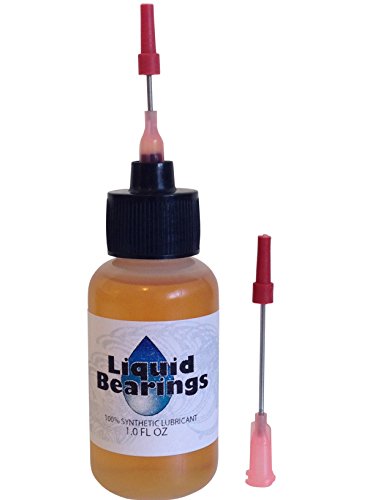 TOP CHOICEBest for O scale bearingsLiquid Bearings Oil for O Scale Trains and Model RailroadsView on Amazon
- 4
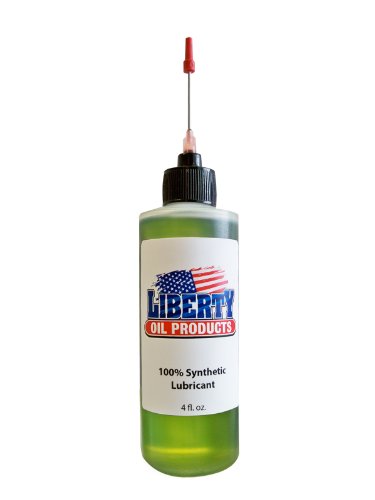 Best for wheel bearings beyond trainsS&A Liberty Products, 4oz Bottle 100% Synthetic Oil for Lubricating SkView on Amazon
- 5
 Best for small-bottle controlLiquid Rescue 100%-Synthetic Oil for Electric Trains and All Model RaiView on Amazon
- 6Best for HO layoutsLiquid Bearings Synthetic Oil for HO Trains and Model RailroadsView on Amazon
Our Top Picks
| Product | Best for | Key feature |
|---|---|---|
| Labelle 1002 Lubricant 3-Pack | Overall maintenance kit | Gear oil, grease and light oil |
| Labelle 102 PTFE Heavy Gear Oil | Heavy gearboxes | ISO 150 viscosity, needle applicator |
| Liquid Bearings Oil for O Scale | O scale bearings | 100% synthetic, rust prevention |
| S&A Liberty Products 4oz Oil | Wheel and bearing care | 100% synthetic, 4 oz bottle |
| Liquid Rescue Synthetic Oil | Precise small-amount use | Corrosion prevention, two needles |
| Liquid Bearings Synthetic Oil for HO | HO layouts | Superior lubrication, corrosion protection |
Labelle 1002 Lubricant 3-Pack – PTFE Oil & Grease for N & Z Scale Model Trains, Slot Cars & RC Vehicles
Labelle 1002 Lubricant 3-Pack – PTFE Oil & Grease for N & Z Scale Model Trains, Slot Cars & RC Vehicles – Includes 102 Gear Oil, 106 Grease & 108 Light Oil – Plastic-Safe, Made in USA
Best for: Complete maintenance of small-scale locomotives
This three-product set suits modelers who want gear oil, grease and light oil on hand for N and Z scale equipment.
- Covers gears, bearings and general moving parts
- Labeled as plastic-safe and made in the USA
Cons: Three products may be more than a single-use modeler needs. If you want more background, see 5 Best DJH Model Locomotive Kits for Scale Builders (2026).
View on AmazonLabelle 102 PTFE Heavy Gear Oil – for Model Train Gearboxes, RC Vehicles, Slot Cars & Drones
Labelle 102 PTFE Heavy Gear Oil – for Model Train Gearboxes, RC Vehicles, Slot Cars & Drones – All Scales – ISO 150, Plastic-Safe, Precision Needle Applicator – Made in USA
Best for: Heavy gearboxes needing a thicker film
Suited to gearboxes in model trains and other mechanical hobby equipment across scales.
- ISO 150 viscosity for heavier gear loads
- Precision needle applicator for controlled dosing
Cons: Thicker oil is not ideal for light-duty or very small mechanisms.
View on AmazonLiquid Bearings Oil for O Scale Trains and Model Railroads
Liquid Bearings Oil for O Scale Trains and Model Railroads, 100%-Synthetic, Provides Superior Lubrication, Also Prevents Rust
Best for: O scale bearings and rust protection
A fit for O scale owners who run outdoors or in humid spaces and want rust prevention alongside lubrication.
- 100% synthetic formulation
- Marketed as preventing rust as well as lubricating
Cons: Dispensing from the bottle takes care to avoid overapplication.
View on AmazonS&A Liberty Products, 4oz Bottle 100% Synthetic Oil for Lubricating Skate Board and Roller Blade Wheel Bearings
S&A Liberty Products, 4oz Bottle 100% Synthetic Oil for Lubricating Skate Board and Roller Blade Wheel Bearings
Best for: Wheel and axle bearings on a budget
Best for hobbyists who want a larger bottle to use across bearing-based projects beyond rail equipment.
- 4 oz bottle gives a long supply
- 100% synthetic base
Cons: Marketed for skateboards, so confirm it suits your specific model mechanisms.
View on AmazonLiquid Rescue 100%-Synthetic Oil for Electric Trains and All Model Railroad Applications, 1 oz. Bottle
Liquid Rescue 100%-Synthetic Oil for Electric Trains and All Model Railroad Applications, Provides Excellent Lubrication and Total Corrosion Prevention! 1 oz. Bottle w/2 Stainless Needles
Best for: Precise, small-amount application
Suited to modelers who prefer a small bottle with two needles for dosing individual pivot points.
- Two stainless needles included
- Marketed for total corrosion prevention
Cons: A 1 oz bottle runs out quickly on a large fleet.
View on AmazonLiquid Bearings Synthetic Oil for HO Trains and Model Railroads
Liquid Bearings Synthetic Oil for HO Trains and Model Railroads, Provides Superior Lubrication, Also Prevents Corrosion
Best for: HO layouts needing everyday lubrication
A straightforward choice for HO owners who want a synthetic oil for routine maintenance on locomotives and cars.
- Synthetic formula for smooth running
- Marketed as preventing corrosion
Cons: Scale-specific labeling means it is less versatile for mixed-gauge hobbies. For a deeper look, 5 Best Model Railroad Shay Locomotive Models for Every Layout covers this in detail.
View on AmazonBuying Guide
Match the viscosity to the job
Light oils suit fast-moving bearings and pivot points, while heavier gear oils handle loaded gearboxes. Check the viscosity rating on the label before you buy. For another angle, check out 3 Best The Model Railroader's Guides to Locomotive Servicing Terminals (2026): Our Picks.
Confirm plastic compatibility
Many locomotive gears and frames are plastic. Look for oils labeled plastic-safe, since some petroleum products can soften or craze plastic parts.
FAQ
What is the difference between a gear oil and a bearing oil for model trains?
Gear oils are thicker and designed to coat meshing gear teeth under load, while bearing oils are thinner and meant for small, rotating shafts and bushings. Using a heavy gear oil in a bearing can cause drag, and a light bearing oil may not hold up in a gearbox. Check the job before you pick the viscosity.
Can model locomotive lubricating oil damage plastic parts?
Some oils can soften, swell or crack certain plastics, which is why plastic compatibility is worth checking on the label. Products marked as plastic-safe are generally the better choice for modern locomotives with plastic gears or housings. When in doubt, test a small amount on a hidden area first.
How often should I lubricate my model train?
Most hobbyists lubricate during a regular maintenance check, often after a set number of operating hours or whenever the locomotive starts to sound rough or run slowly. Running frequency, dust exposure and the type of mechanism all affect the schedule. Avoid over-oiling, since excess oil can collect dirt and migrate onto wheels and track.
Do I need a different oil for each scale?
Not necessarily, because many oils are sold for a range of scales, but the size of the moving parts does influence which viscosity works best. Smaller scales such as N and Z often benefit from very fine, precise application, while larger scales may tolerate a slightly heavier oil. Matching the product to both scale and mechanism gives the most reliable results.
Is a needle applicator important?
A precision applicator helps you place very small amounts of oil exactly where it is needed, which reduces the risk of stray drops on wheels, rails or electrical contacts. It is especially helpful for tight bearings and small gearboxes. Larger bottles with broad openings can work too, but they demand more care.
Should I clean old oil before applying new lubricant?
Yes, removing old, dirty or hardened oil before adding fresh lubricant improves performance and prevents mixing of incompatible products. Use a suitable cleaner that will not harm plastics, and let parts dry completely before reassembly. Clean surfaces let the new oil spread and protect the mechanism more effectively.
Conclusion
If you run a range of scales and want one versatile option with plastic-safe formulas, a multi-product set or a PTFE gear oil is a practical starting point. Hobbyists focused on a single scale, or on specific bearings, will often do well with a targeted bearing oil matched to that gauge.
For heavy gearboxes and larger rolling stock, pick a thicker gear oil, while smaller, delicate mechanisms usually call for a lighter synthetic that will not attract dust. Whatever you choose, confirm plastic compatibility and apply sparingly for the best long-term results.
Related reading
- Working Model Steam Locomotive: A Step-by-Step Guide for Model Railroaders
- Why Does My Model Locomotive Water Gauge Look Wrong? 5 Causes and Fixes
- Why Do Model Steam Locomotive Repairs Keep Coming Up? Causes and Fixes
- Which Model Steam Locomotive Books Are Worth Reading? A Practical Guide
- What Is Model Railroad Cary Locomotive Works? A Model Railroader's Guide
About Caleb Morgan
Caleb Morgan is part of our editorial team and reviews and edits our model railroading guides, checking product details against manufacturer specifications and owner feedback.
About the author
Caleb Morgan writes reviews and buying guides for Railroading Online.