6 Best Peco Model Train Track Pieces for HO and N Layouts (2026)
Compare six Peco model train track picks for HO and N scale layouts, from flexible track and turnouts to rail cleaners and joiners, with buying tips.
 By Caleb Morgan
Updated November 22, 2026
 By Caleb Morgan
Updated November 2026
Peco model train track is one of the most widely used track systems among model railroaders, and choosing the right piece for your layout depends on your scale, your track plan, and what you plan to do with it. This list covers six Peco products across HO and N scale, from flexible track and turnouts to the cleaning and joining supplies that keep a layout running well. Selection is based on manufacturer specifications, the brand’s reputation within the hobby, and recurring patterns in owner feedback, not on any hands-on testing.
Our top picks at a glance
- 1TOP CHOICEBest overallPECO North American-Style Code 83 Flexitrack – 36" 91.4cm – HOView on Amazon
- 2
 TOP CHOICEBest for HO turnoutsPeco HO Scale Code 100 Insulfrog #6 Left-Hand TurnoutView on Amazon
- 3
 TOP CHOICEBest for track maintenancePeco PL-41 Rail Cleaner Track RubberView on Amazon
- 4
 Best budget pick for cleaningWalthers SceneMaster Bright Boy Cleaner Standard Grit Abrasive Track ToyView on Amazon
- 5
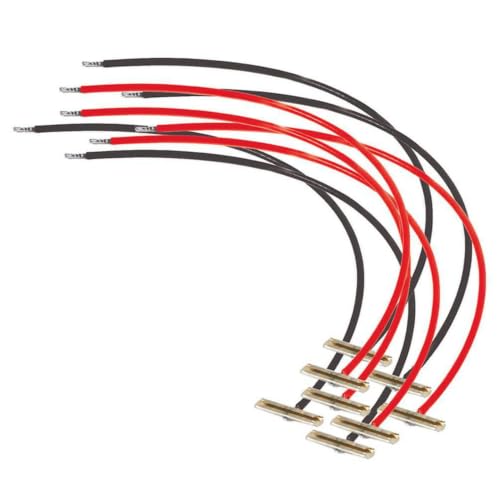 Best for wiring and power feedsPeco PL-80 Power Feed Joiners – Code 100/124 (x4 Pairs) Age 14+View on Amazon
- 6
 Best for N scale turnoutsPeco N Scale Code 80 Insulfrog #4 RH TurnoutView on Amazon
Our Top Picks
Quick Comparison
| Product | Best for | Key feature |
|---|---|---|
| PECO North American-Style Code 83 Flexitrack | Curves and custom track plans | 36-inch flexible HO track in Code 83 rail |
| Peco HO Scale Code 100 Insulfrog #6 Left-Hand Turnout | Yards and sidings in HO | Insulfrog design with a #6 frog angle |
| Peco PL-41 Rail Cleaner Track Rubber | Routine track maintenance | Abrasive rubber for removing oxidation |
| Walthers SceneMaster Bright Boy Cleaner | Budget-minded cleaning | Standard grit abrasive cleaning block |
| Peco PL-80 Power Feed Joiners | Connecting track sections and power | Code 100/124 joiners in multiple pairs |
| Peco N Scale Code 80 Insulfrog #4 RH Turnout | Compact N scale yards | Insulfrog #4 right-hand turnout in Code 80 |
PECO North American-Style Code 83 Flexitrack – 36″ 91.4cm – HO
PECO – North American-Style Code 83 Flexitrack — 36" 91.4cm – HO
Best for: Curves and custom track plans in HO scale
This is a strong starting point for HO builders who want to lay their own curves, sidings, and mainline runs. It suits anyone following a planned track diagram who needs to bend track to fit a specific radius.
Key specs
- Scale: HO
- Length: 36 inches (91.4 cm)
- Rail profile: Code 83, North American style
- Type: Flexible track
Pros
- Bends smoothly to form custom curves
- Code 83 rail suits a wide range of North American rolling stock wheel profiles
- Long 36-inch sections reduce the number of joints
Cons
- Requires track spikes or adhesive and careful alignment
- Code 83 rail is less forgiving than Code 100 for some older wheelsets
Bottom line: A practical choice for HO modelers building their own trackwork who want flexibility in curve radius.
View on AmazonPeco HO Scale Code 100 Insulfrog #6 Left-Hand Turnout
Peco HO Scale Code 100 Insulfrog #6 Left-Hand Turnout
Best for: Yards and sidings in HO scale
This turnout fits modelers building yards, passing sidings, or branch line connections who want a reliable switch with a gentle diverging route. A #6 frog angle is commonly chosen for a balance between compactness and smooth operation.
Key specs
- Scale: HO
- Rail profile: Code 100
- Frog: #6, left-hand
- Design: Insulfrog
Pros
- Insulfrog design helps prevent electrical short circuits at the frog
- #6 angle allows smoother running than tighter turnouts
- Code 100 rail is sturdy and widely available for matching track
Cons
- Takes more space than a #4 turnout in tight layouts
- Requires separate switch machine or manual throw mechanism
Bottom line: A good fit for HO builders who want dependable turnouts for yards and sidings and have the room for a #6 geometry.
View on AmazonPeco PL-41 Rail Cleaner Track Rubber
Peco PL-41 Rail Cleaner Track Rubber
Best for: Routine track maintenance
Anyone running model trains will eventually face oxidized or dirty rail that causes poor electrical pickup. This rubber cleaner is aimed at modelers who want a simple, repeatable way to restore rail contact.
Key specs
- Type: Abrasive rail cleaning rubber
- Use: Rail surfaces and wheel contact areas
Pros
- Removes light oxidation and grime from rail heads
- Easy to use by hand during a session
- Supports consistent electrical pickup across the layout
Cons
- Requires periodic re-cleaning on heavily used track
- Not a substitute for keeping wheels clean as well
Bottom line: A useful maintenance item for any layout where track cleanliness affects running reliability.
View on AmazonWalthers SceneMaster Bright Boy Cleaner Standard Grit Abrasive Track Toy
Walthers SceneMaster Bright Boy Cleaner Standard Grit Abrasive Track Toy
Best for: Budget-minded track cleaning
This is a practical option for modelers who want an inexpensive way to keep rail bright and clean. It is often used on a mainline or a test track before running longer sessions.
Key specs
- Type: Abrasive track cleaning car
- Grit: Standard
Pros
- Simple to run through a loop or yard to clean rail
- Standard grit is gentler on rail than coarser options
- Works well as a periodic maintenance step
Cons
- Cleans the rail surface but does not reach all wheel contact points
- Abrasive wear means it should be replaced as the surface breaks down
Bottom line: A sensible low-effort cleaning tool for layouts that run regularly and want a quick maintenance routine.
View on AmazonPeco PL-80 Power Feed Joiners – Code 100/124 (x4 Pairs) Age 14+
Peco PL-80 Power Feed Joiners – Code 100/124 (x4 Pairs) Age 14+
Best for: Connecting track sections and power feeds
Joiners are essential for connecting rail sections securely and for carrying electrical current across joints. This pack suits builders assembling track sections who want consistent electrical continuity.
Key specs
- Compatible rail: Code 100 and Code 124
- Quantity: Four pairs
- Recommended age: 14 and up (per listing)
Pros
- Keeps joints aligned and electrically continuous
- Covers two common rail profiles
- Useful for adding power feeds to longer track runs
Cons
- Joiners must be matched carefully to the rail profile
- Requires soldering or careful fitting for best results
Bottom line: A useful addition for builders who lay track in sections and want dependable joints with power feed points.
View on AmazonPeco N Scale Code 80 Insulfrog #4 RH Turnout
Peco N Scale Code 80 Insulfrog #4 RH Turnout
Best for: Compact N scale yards
N scale builders working with limited space often need tighter turnout geometry. This #4 right-hand turnout fits compact yards and industrial sidings where a longer #6 switch would not fit.
Key specs
- Scale: N
- Rail profile: Code 80
- Frog: #4, right-hand
- Design: Insulfrog
Pros
- Compact geometry suits tight N scale spaces
- Insulfrog design supports reliable electrical operation
- Code 80 rail matches many N scale track systems
Cons
- A #4 angle can cause more noticeable diverging geometry for some rolling stock
- Needs a compatible throw mechanism
Bottom line: A good choice for N scale modelers who need a compact turnout for yards and sidings.
View on AmazonBuying Guide
Scale and rail profile
Match the track to your scale first. HO and N use different gauges and different rail sizes, and mixing them is not practical. Within a scale, check the rail code (such as Code 83, Code 100, or Code 80) because wheel profiles on your locomotives and cars must suit the rail. Code 83 is common for North American HO modeling, while Code 100 is heavier and more robust.
Good picks for this: PECO North American-Style Code 83 Flexitrack, Peco HO Scale Code 100 Insulfrog #6 Left-Hand Turnout
Flexible track versus pre-made turnouts
Flexible track lets you build curves to fit your plan, while turnouts provide the switching points that make a layout operate. Most layouts use both. Plan the number and location of switches before buying, since turnouts are more complex and take more space than straight or curved track.
Good picks for this: PECO North American-Style Code 83 Flexitrack, Peco N Scale Code 80 Insulfrog #4 RH Turnout
Turnout frog angle
Frog numbers such as #4 or #6 describe how sharply a turnout diverges. A #4 is more compact but produces tighter geometry, while a #6 is longer and smoother. Choose based on available space and the length of equipment you run. Longer passenger cars and locomotives generally run more comfortably through gentler turnouts.
Good picks for this: Peco HO Scale Code 100 Insulfrog #6 Left-Hand Turnout, Peco N Scale Code 80 Insulfrog #4 RH Turnout
Electrical design and insulfrogs
Insulfrog turnouts electrically isolate the frog so that wheels passing through it do not create short circuits. This matters for layouts with multiple power districts or DCC control. Check whether the turnout you choose is insulfrog or electrofrog, and plan your wiring accordingly.
Good picks for this: Peco HO Scale Code 100 Insulfrog #6 Left-Hand Turnout, Peco N Scale Code 80 Insulfrog #4 RH Turnout
Connecting and powering track
Track joints need to be both mechanically aligned and electrically continuous. Joiners help with alignment, while dedicated power feeds ensure that long track runs receive consistent current. Plan feeder locations every few feet on long sections, and solder where the layout is permanent.
Good picks for this: Peco PL-80 Power Feed Joiners
Maintenance and cleaning
Dirty or oxidized rail is the most common cause of intermittent running. Regular cleaning with abrasive rubber or a cleaning car helps maintain pickup. Clean rail after storage, and inspect joints for alignment whenever you notice stalling or jerky motion.
Good picks for this: Peco PL-41 Rail Cleaner Track Rubber, Walthers SceneMaster Bright Boy Cleaner Standard Grit Abrasive Track Toy
Layout planning before buying
Sketch your track plan before purchasing. Measure your available space, decide on minimum curve radius for your equipment, and count how many turnouts you need. This prevents buying track pieces that do not fit your design and reduces waste during construction.
Good picks for this: PECO North American-Style Code 83 Flexitrack, Peco N Scale Code 80 Insulfrog #4 RH Turnout
FAQ
What is the difference between Code 83 and Code 100 rail?
The code number refers to the height of the rail in thousandths of an inch. Code 100 rail is taller and heavier, which many modelers consider more durable and more forgiving of wheel wear. Code 83 is lower and more closely matches the scale appearance of many North American prototypes. Make sure your wheelsets match the rail code you choose.
Can I mix Peco track from different scales?
No. HO and N use different gauges and different track geometry, so track pieces from different scales are not interchangeable. Always confirm the scale listed on the product before buying.
Do I need insulfrog turnouts?
Not always, but insulfrog designs make wiring simpler on layouts with multiple power districts or DCC control, because the frog is electrically isolated from the rails. For a simple single-loop layout, electrofrog or other designs may also work with the right wiring.
How often should I clean my model train track?
Frequency depends on how often you run trains and the environment where the layout is kept. Many modelers clean problem spots when they notice stalling, and perform regular cleaning sessions on layouts that run often. Check the track after long periods of storage.
What are power feed joiners used for?
Power feed joiners connect track sections mechanically and carry electrical current across the joint. They are useful on longer track runs where you want to ensure continuous power, and they help keep joints aligned during construction.
Is flexible track easy for beginners?
Flexible track is widely used by beginners because it allows custom curves. It does require careful alignment and fastening, so practice on a small section before committing to a full layout. Consult your layout plan and follow manufacturer guidance on bending and fastening.
Conclusion
For most HO builders, the PECO North American-Style Code 83 Flexitrack is a practical base for custom curves, while the Code 100 #6 turnout suits yards and sidings. N scale modelers working in tight spaces will find the Code 80 #4 turnout useful. For ongoing care, the Peco PL-41 rail cleaner and a budget cleaning car help keep rail contact reliable, and the PL-80 joiners support good electrical joints. Match each choice to your scale, track plan, and the length of your equipment.
Sources
- Standards and recommended practices for model railroad track, gauges, and wheel profiles
- Guidance on model railroad scales, layout planning, and hobby standards
Related reading
- Model Train and Track: 5 Best Picks for Beginners and Layouts (2026)
- Model Train Track Planning: A Step-by-Step Guide for Beginners
- Model Train Track Planner: How to Design a Layout Before You Buy Track
- Model Train Track Layouts: 6 Steps to Plan Your First Layout
About Caleb Morgan
Caleb Morgan is part of our editorial team and reviews and edits our model railroading guides, checking product details against manufacturer specifications and owner feedback.
About the author
Caleb Morgan writes reviews and buying guides for Railroading Online.