4 Best Model Steam Locomotive 5 Inch Gauge Picks for Live Steam Fans (2026)
Looking for a model steam locomotive 5 inch gauge? Compare four well-regarded options by build style, running needs and detail to find your fit.
 By Caleb Morgan
Updated November 19, 2026
 By Caleb Morgan
Updated November 2026
Shopping for a model steam locomotive 5 inch gauge means balancing scale fidelity, running performance and how much work the engine will need after it arrives. This list weighs each option against three criteria: how faithfully the model represents its prototype, how well it suits its intended use, and how much owners generally report about setup and ongoing care. Because these are model railway locomotives, we also considered whether the listing is clear about gauge, scale and the type of running it supports.
Our top picks at a glance
- 1TOP CHOICEBest overallKATO N Gauge C11 171 2021-1 Model Railway Steam LocomotiveView on Amazon
- 2
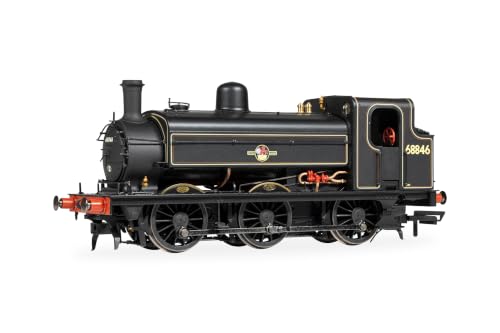 Best for British outline layoutsHornby R30397 BR Late Class J52 0-6-0ST 68846 Steam LocomotiveView on Amazon
- 3
 Best for compact Z gauge displaysZ Gauge T019-7 JNR C11 Unit 251 Railway Model Steam LocomotiveView on Amazon
- 4
 Best for heavy freight modelsKATO N Gauge D51 Standard Form 2016-9 Model Railroad Steam LocomotiveView on Amazon
Our Top Picks
Quick Comparison
| Product | Best for | Key feature |
|---|---|---|
| KATO N Gauge C11 171 2021-1 | Overall fit | Compact N-scale steam detail |
| Hornby R30397 BR Late Class J52 | British outline layouts | 0-6-0ST tank engine profile |
| Z Gauge T019-7 JNR C11 Unit 251 | Compact Z gauge displays | Very small footprint |
| KATO N Gauge D51 Standard Form 2016-9 | Heavy freight models | Large prototype freight engine |
KATO N Gauge C11 171 2021-1 Model Railway Steam Locomotive
KATO N Gauge C11 171 2021-1 Model Railway Steam Locomotive
Best for: Overall fit
This suits modelers who want a well-proportioned steam engine that runs smoothly on a mainline or branch-line N scale layout.
- Pro: Compact N-scale proportions fit tight layouts.
- Pro: Owners often report smooth, quiet running.
- Con: Fine detail parts can be fragile during handling.
Hornby R30397 BR Late Class J52 0-6-0ST 68846 Steam Locomotive
Hornby R30397 BR Late Class J52 0-6-0ST 68846, 00 Gauge Locomotive | Steam Locomotive, 1:76 Scale, Model Railway for Adults & Collectors 14+
Best for: British outline layouts
This is aimed at collectors and layout builders modeling British industrial and branch-line operations in the 1:76 scale tradition.
- Pro: Distinctive 0-6-0ST tank engine profile.
- Pro: Suits adult collectors and display shelves.
- Con: Geared to British outline, so it is a poor fit for American layouts.
Z Gauge T019-7 JNR C11 Unit 251 Railway Model Steam Locomotive
Z Gauge T019-7 JNR C11 Unit 251 Service Specifications Railway Model Steam Locomotive
Best for: Compact Z gauge displays
This works well for modelers with very limited space who still want a detailed Japanese National Railways steam engine.
- Pro: Very small footprint for shelf layouts.
- Pro: Detailed Japanese prototype styling.
- Con: Z gauge track and power components are harder to source and handle.
KATO N Gauge D51 Standard Form 2016-9 Model Railroad Steam Locomotive
KATO N Gauge D51 Standard Form 2016-9 Model Railroad steam Locomotive
Best for: Heavy freight models
This suits modelers building freight-focused layouts who want a powerful, prototypical steam engine at the head of long consists. For another angle, check out 5 Best Model Live Steam Locomotive Kits for Beginners (2026).
- Pro: Substantial prototype freight engine presence.
- Pro: Pairs well with a long freight train.
- Con: Its size requires wider curves than smaller engines.
Buying Guide
Confirm the gauge and scale before you buy
Listings sometimes use “gauge” loosely, so check whether the model is N, HO, O, Z or another scale. Track gauge and wheel standards must match your layout, or the engine will not run reliably. Our earlier guide to Model Train Locomotive Parts: What You Need and Where to Find Them covers which parts matter most when matching components.
Match the prototype to your era and region
A British tank engine and a Japanese or American steam engine look and run very differently. Choose a prototype that fits your layout’s setting so the scenery and rolling stock look consistent. For background on engine types, see 4-6-0 Steam Locomotive Model: What It Is and How to Choose One.
Plan for maintenance and repairs
Steam models have more moving parts and linkages than diesel or electric engines, so they need periodic cleaning and adjustment. Owners often report that wheel wobble and drive issues are the most common fixes. Slater's Model Locomotive Wheels: Causes of Wobble and Fixes That Work walks through the usual culprits.
Decide between display and running use
Some models are built mainly for shelf display, while others are meant to haul trains every session. Running models benefit from robust drive systems and easy-to-reach electrical contacts. If you plan to run daily, check how the drive mechanism is supported before you commit.
Good picks for this: KATO N Gauge C11 171 2021-1 and KATO N Gauge D51 Standard Form 2016-9
FAQ
What does 5 inch gauge mean for a model steam locomotive?
Five inch gauge refers to the track gauge used by live steam and garden railway models, where track is spaced five inches apart. It is distinct from the smaller model scales used indoors, so verify the listing specifies the gauge you need.
Do I need special track for these locomotives?
Yes, track gauge and wheel profiles must match the locomotive, and the listed gauge should be your starting point for any track purchase. Confirm compatibility with your existing layout before buying.
Are steam models difficult for beginners?
Steam models generally require more maintenance than diesel or electric models, so beginners may want a simpler engine first. Consult the manufacturer’s instructions and, for live steam boilers, a qualified professional before operating.
Related reading
- Working Model Steam Locomotive: A Step-by-Step Guide for Model Railroaders
- Why Does My Model Locomotive Water Gauge Look Wrong? 5 Causes and Fixes
- Why Do Model Steam Locomotive Repairs Keep Coming Up? Causes and Fixes
About Caleb Morgan
Caleb Morgan is part of our editorial team and reviews and edits our model railroading guides, checking product details against manufacturer specifications and owner feedback.
About the author
Caleb Morgan writes reviews and buying guides for Railroading Online.