Satisfactory How Many Freight Cars per Train: Top 5 Reads for Railroaders
Wondering how many freight cars per train is satisfactory? Compare five freight train books and guides to find the best fit for your railroad reading list.
 By Miles Sinclair
Updated November 13, 2026
 By Miles Sinclair
Updated November 2026
If you are asking how many freight cars per train is satisfactory, the honest answer depends on your locomotive power, your track grades and what you are trying to model or run. This list compares five freight train books that help you understand train consist size, car types and real-world operations. Selection criteria: relevance to freight train length and makeup, clarity for the intended reader, format suitability and owner feedback patterns.
Our top picks at a glance
- 1TOP CHOICEBest overallFreight Train Cars (Enthusiast Color Series)View on Amazon
- 2
 TOP CHOICEBest for young railroad fansHow Freight Trains WorkView on Amazon
- 3
 TOP CHOICEBest for photo-focused readersFreight Train GraffitiView on Amazon
- 4
 Best for general freight historyFreight TrainsView on Amazon
- 5
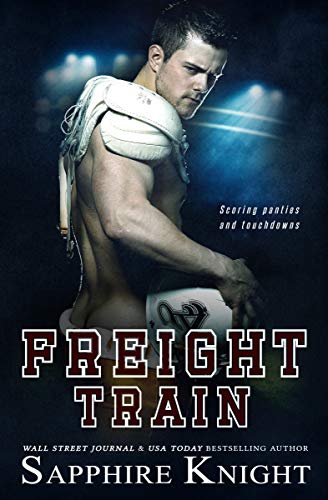 Best for regional railroading storiesFreight Train (Dirty Down South Book 1)View on Amazon
Our Top Picks
Quick Comparison
| Product | Best for | Key feature |
|---|---|---|
| Freight Train Cars (Enthusiast Color Series) | Car identification | Detailed car type photos |
| How Freight Trains Work | Young readers | Shaped board book format |
| Freight Train Graffiti | Photo enthusiasts | Trackside imagery focus |
| Freight Trains | General history | Broad operational overview |
| Freight Train (Dirty Down South Book 1) | Regional railroading | Southern rail narratives |
Freight Train Cars (Enthusiast Color Series)
Freight Train Cars (Enthusiast Color Series)
Best for: Car identification and consist planning
This is the most useful reference if you want to understand how different car types combine into a train. It suits modelers who plan consists and want realistic car counts.
Pros
- Clear color photography of common car types
- Helpful for matching cars to real consist patterns
Cons
- Limited text on train length math
How Freight Trains Work
How Freight Trains Work – Children's Shaped Board Book for Train Lovers
Best for: Young readers and family learning
A friendly introduction for children who want to know why trains are long and how cars connect. It works well as a starting point before moving to more technical reading.
Pros
- Sturdy shaped board book format
- Simple explanations of how cars and locomotives work together
Cons
- Too basic for experienced railroaders
Freight Train Graffiti
Freight Train Graffiti
Best for: Photo-focused readers
Ideal for those who learn by looking. The imagery shows freight cars in working conditions, which helps when you are judging how long a real train looks on the line.
Pros
- Strong visual reference for car appearance
- Shows freight cars in everyday service
Cons
- Little technical detail on consist size
Freight Trains
Freight Trains
Best for: General freight history
A broad overview for readers who want context on how freight operations evolved and why trains vary in length by route and era.
Pros
- Covers a wide range of freight operations
- Good context for interpreting train length
Cons
- Less focus on modeling applications
Freight Train (Dirty Down South Book 1)
Freight Train (Dirty Down South Book 1)
Best for: Regional railroading stories
Suited to readers interested in southern rail culture and the people who work freight. It adds atmosphere rather than technical data.
Pros
- Regional perspective on freight life
- Engaging narrative style
Cons
- Not a reference for train length or consist planning
Buying Guide
Match the Book to Your Question
If you want a number, look for references that discuss consist size and locomotive capacity. Narrative books give atmosphere but rarely give usable figures.
Check the Reading Level
Children’s board books explain concepts simply, while enthusiast guides assume familiarity with railroad terms. Choose the level that matches your background.
Look for Car Type Coverage
Knowing whether a train is mostly hoppers, boxcars or intermodal affects how many cars it can realistically pull. Books with car type photos help you judge this.
Consider Your Modeling Goals
If you run a layout, pair reading with practical sources on locomotive pulling power and grade limits. Books alone will not settle your train length.
Good picks for this: Freight Train Cars (Enthusiast Color Series), Freight Trains
FAQ
How many freight cars is a typical train?
Train length varies widely by railroad, route and commodity, so there is no single standard. Consult current railroad operating data or the sources below for context.
Does locomotive power limit car count?
Yes. Pulling capacity depends on horsepower, track grade and curvature, so a satisfactory consist for one line may be too long for another.
Are these books useful for model railroads?
Car identification books help with realistic consists, but for pulling limits you will need tables from manufacturers or model railroad references.
Conclusion
For a clear answer on car types and consist patterns, choose the enthusiast color guide. Young readers do well with the shaped board book, while photo fans and history readers will prefer the remaining titles. For precise pulling limits, combine any of these with technical references.
Sources
- Federal Railroad Administration rules and safety data on train operations (fra.dot.gov)
- Association of American Railroads statistics on freight car types and operations
Related reading
- How Many Freight Cars Can a Train Pull? Limits, Math and Layout Tips
- How Many Freight Cars Can a Locomotive Pull Satisfactory: A Practical Guide (2026)
- How Many Cars in a Freight Train? Typical Lengths and How to Count (2026)
- How Many Cars Does a Freight Train Have? Typical Lengths and Counts
- Lionel Train Freight Cars: Which Ones to Buy and How to Keep Them Running
- How Many Freight Cars Can a Locomotive Pull? A Step-by-Step Guide
About Miles Sinclair
Miles Sinclair is part of our editorial team and reviews and edits our model railroading guides, checking product details against manufacturer specifications and owner feedback.
About the author
Miles Sinclair writes reviews and buying guides for Railroading Online.